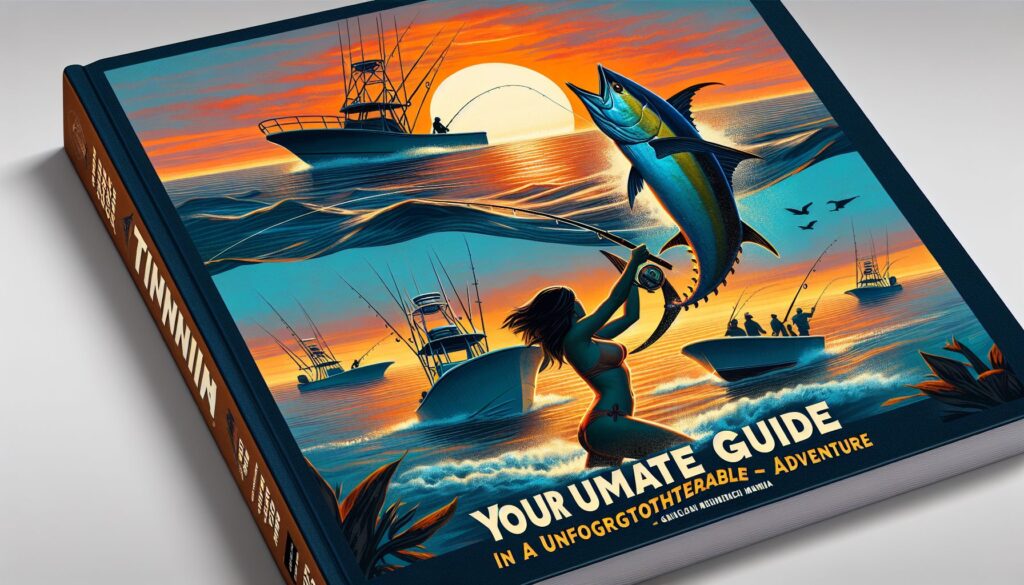
The Gulf of Mexico is recognized as one of the premier destinations for anglers seeking the thrill of hooking into some of the ocean’s most formidable and prized fish: tuna. Specifically, yellowfin tuna are a coveted catch among sport fishers, drawn to the Gulf’s waters by the promise of intense battles and the satisfaction of landing these powerful creatures. With heated competition and a rich fishing culture, the Gulf of Mexico charts as a bucket-list hotspot for both amateur and seasoned anglers alike, aiming to test their skill against the might of the yellowfin.
Understanding Yellowfin Tuna in the Gulf of Mexico
Yellowfin tuna, known scientifically as Thunnus albacares, are among the most sought-after species in the Gulf of Mexico, not just for their spirited fight, but for their culinary value as well. These fish can reach impressive sizes, with specimens often weighing in at over 100 pounds, though the Gulf has seen yellowfin tuna exceeding 200 pounds. Due to their migratory nature, these tunas inhabit various parts of the Gulf throughout the year, leading anglers on a chase that requires both patience and persistence.
The Gulf of Mexico offers a dynamic ecosystem where yellowfin tuna thrive, thanks to its warm waters and abundant food sources like flying fish, squid, and other small pelagic fish. The topography of the sea floor, with its canyons, drop-offs, and oil rigs, provides an ideal habitat for these pelagic predators, contributing to an exciting fishing experience.
Essential Tuna Fishing Techniques in the Gulf
To maximize success when targeting yellowfin tuna, amplify your approach with proven techniques that have stood the test of time in the Gulf. Trolling is one of the most effective methods, inviting strikes by dragging artificial lures or baited lines behind a moving boat. Look for signs of fish such as birds diving or fish busting the water surface. Chumming, or the process of scattering baitfish to attract tuna, is also widely employed, and when paired with live-lining (offering live bait in the chum slick), can be particularly effective.
Chunking, another popular technique, involves cutting bait into chunks and progressively throwing them overboard to entice tuna that may be lurking deep below. It’s a waiting game that requires calm and precision to keep the chunks drifting naturally with the current, mimicking a school of injured fish.
Furthermore, kite fishing has gained traction, where baits are dangled from a kite, keeping them at the surface and causing a commotion that draws yellowfin’s attention. This method is visually spectacular, as strikes often occur explosively at the water’s surface.
Essential Gear for Tuna Fishing
When gearing up for a tuna fishing expedition, one needs to be equipped with high-grade gear that can withstand the demands of battling these powerful fish. High-capacity reels, strong rods, and a variety of lures and baits are essential. Braided lines are favored for their strength and sensitivity, often in the 50-80 pound test range, paired with fluorocarbon leaders for stealth and abrasion resistance.
Your arsenal should include a variety of lures, such as skirted trolling lures that mimic squid or small fish, poppers and stickbaits for topwater action, and jigs for deep-water fishing. Live bait like mackerel or herring can be particularly enticing, but make sure to have an assortment of natural and artificial options at your disposal.
Seasonality and Migration Patterns
Timing is paramount when planning a yellowfin tuna fishing trip in the Gulf of Mexico. While these fish can be caught year-round, their abundance varies with their migratory patterns and spawning periods. In the western Gulf, peak yellowfin tuna fishing typically occurs from late spring through summer, into early fall. However, conditions in the eastern Gulf can produce fruitful catches nearly all year, with a noted increase in spring and fall.
Water temperature and climate play significant roles in these migration patterns, with tuna often following the warm water currents that provide them with abundant food supplies. Keeping an eye on sea surface temperature charts can offer critical insights into potential hotspots.
Local Knowledge and Hiring a Charter
The vastness of the Gulf can be daunting, so tapping into local knowledge is vital for those who aim to maximize their fishing experience. Hiring a reputable fishing charter is advisable, especially for those unfamiliar with the region. A skilled charter captain with an intimate understanding of the Gulf’s nuances can lead you to prime fishing grounds and share invaluable expertise that only comes with years of experience.
When selecting a charter, consider factors like the crew’s familiarity with tuna fishing techniques, the boat’s amenities, and the overall reputation of the service. Read reviews, ask for recommendations, and don’t hesitate to communicate your expectations and experience level to find a charter that aligns with your fishing objectives.
Conservation and Responsible Fishing Practices
The excitement of yellowfin tuna fishing comes with a responsibility to practice conservation and sustainability. This means adhering to legal regulations, including size and bag limits, which are in place to ensure healthy fish populations for future generations. Additionally, consider the practice of catch and release for non-target species or smaller juvenile tuna, ensuring they can contribute to the ecosystem’s health.
Anglers are encouraged to use circle hooks to minimize harm to the fish, facilitating safer releases. It’s also important to handle fish with care when releasing them, supporting their body and allowing them to regain their strength before letting them swim free. By being environmentally conscious and ethical, one contributes to the preservation of the fishery and the broader marine habitat.
Conclusion
Embarking on a yellowfin tuna fishing adventure in the Gulf of Mexico is an undertaking that promises not only the rush of the catch but also the appreciation of the marine environment that sustains these impressive fishes. Whether a seasoned fisherman or a newcomer to the sport, the Gulf’s blue waters invite all to participate in a dance of patience, skill, and respect for nature. With the proper techniques, gear, and guidance – and an unwavering commitment to conservation – the experience of reeling in a feisty yellowfin will be a cherished memory that ignites a lifelong passion for the sport of fishing.