The Charter Captain’s Guide to a Storm-Proof Gulf Coast Home: Insights from Local Experts like Priority Roofing
As a Louisiana charter captain, you live and breathe by the moods of the Gulf. You can read the water, feel the shift in the wind, and know when the bite is about to turn on. Here at Louisiana Charter Fishing, we’re cut from the same cloth. We’re more than just a place to find the best trips for fishing for redfish in Louisiana; we’re part of this coastal community. We get that when a storm starts spinning up out in the open water, your mind is split in two: one half is on your vessel, and the other is on your family’s fortress back on land.
This guide is for you, cher—the captain who needs their home to be an anchor when the big one comes ashore. A secure home base means peace of mind, and that lets you focus on what you do best: guiding folks to the fish of a lifetime. We’ve talked to local experts, including the seasoned professionals at Priority Roofing, to put together a no-nonsense Charter Captain’s Guide to a Storm-Proof Gulf Coast Home.
Key Takeaways
- Your Home is Your Anchor: A secure home provides the peace of mind needed to focus on your charter business and allows for a quicker return to the water after a storm.
- Roof First, Always: According to local pros like Priority Roofing, whose team brings unmatched knowledge of the region’s toughest roofing challenges, a fortified, hurricane-rated roof is the single most important investment in protecting your home from catastrophic storm damage.
- Seal the Envelope: Impact-resistant windows, reinforced doors, and a secured garage door are critical for preventing wind intrusion that can lead to roof failure.
- The Yard is a Hazard Zone: Unsecured items, from patio furniture to poorly maintained trees, can become dangerous projectiles. A pre-storm yard audit is essential.
- Document Everything: A detailed photo and video inventory of your property and possessions is your best tool for a smooth and successful insurance claim process post-storm.
TL;DR
For a Louisiana charter captain, proactively storm-proofing your home is a direct investment in your business’s continuity. By focusing on a fortified roof with guidance from local experts, securing windows and doors, and preparing your property, you minimize downtime and protect your most valuable asset, ensuring you can get back on the water faster when the coast is clear.
Your Home Base is Your Business Headquarters
A secure home base allows a charter captain to focus on their business and get back on the water faster after a storm. Your house isn’t just where you hang your hat; it’s the command center for your entire operation. It’s where you mend nets, organize tackle, and manage bookings. The faster your home life is stable after a hurricane, the faster you can inspect your boat, reschedule clients, and get back to earning a living. Protecting your home is protecting your livelihood.
Minimizing Costly Downtime
Every day you can’t run a charter is a day of lost income. A storm-damaged home means weeks, or even months, of dealing with repairs, contractors, and insurance adjusters instead of being out on the water. We all know how devastating it can be when flooding affects deep-sea fishing, and a damaged home only compounds that downtime. Proactively hardening your house minimizes that recovery time, letting you get back to offering the best destinations for fishing charters right here in Louisiana.
Protecting Your Biggest Financial Investment
For most of us, our home is our single largest asset. Leaving its integrity to chance against a Category 3 is a risk that can wipe out years of hard work. A storm-proof home not only protects your family but also maintains its value and secures your financial future, ensuring you have a legacy to pass on.
Peace of Mind When You’re Miles Offshore
There’s nothing worse than being miles out, guiding a client to some beautiful yellowfin tuna in the Gulf, and having that nagging worry in the back of your head about a squall line popping up back home. Knowing your house is built to withstand the worst lets you focus entirely on your clients and your craft. It’s the confidence you need to do your job without distraction.
The Roof: Your Home’s First Line of Defense
Your roof is the single most critical component for defending your Gulf Coast home against storm damage, according to experts like Priority Roofing. When hurricane-force winds start screaming, the roof takes the brunt of the assault. A single point of failure—one lifted shingle, one piece of failed flashing—can allow torrents of water inside, leading to catastrophic damage. We consulted with the team at Priority Roofing, a company that since 2012 has delivered durable, high-quality roofing solutions across the Gulf South, for their top insights.
Fortified is the Standard: Choosing Hurricane-Rated Materials
Those standard 3-tab shingles you see on inland homes just won’t cut it on the coast. You need materials built for battle.
- Fortified Architectural Shingles: These are thicker, heavier, and designed with a stronger adhesive strip to resist wind uplift. Look for shingles with a wind rating of at least 130 mph, which is the minimum wind speed for a Category 4 hurricane, according to the Saffir-Simpson Hurricane Wind Scale.
- Standing-Seam Metal Roofing: This is the gold standard for wind and impact resistance. The interlocking panels create a seamless shield that offers few places for wind to grab hold. While the upfront cost is higher, its longevity and durability often make it a smarter long-term investment.
It’s What’s Underneath That Counts: The Importance of a Sealed Roof Deck
Even the best shingles can be compromised by a direct hit from flying debris. That’s why the layer underneath is so critical. A “sealed roof deck” is a modern building practice where the seams of the plywood or OSB sheathing are sealed with a special, high-strength flashing tape. This technique, recommended by organizations like the Insurance Institute for Business & Home Safety (IBHS), acts as a crucial secondary water barrier. If you lose shingles, this seal can prevent a massive interior flood, turning a potential disaster into a manageable repair.
Pre-Season Inspections: What Local Experts Recommend
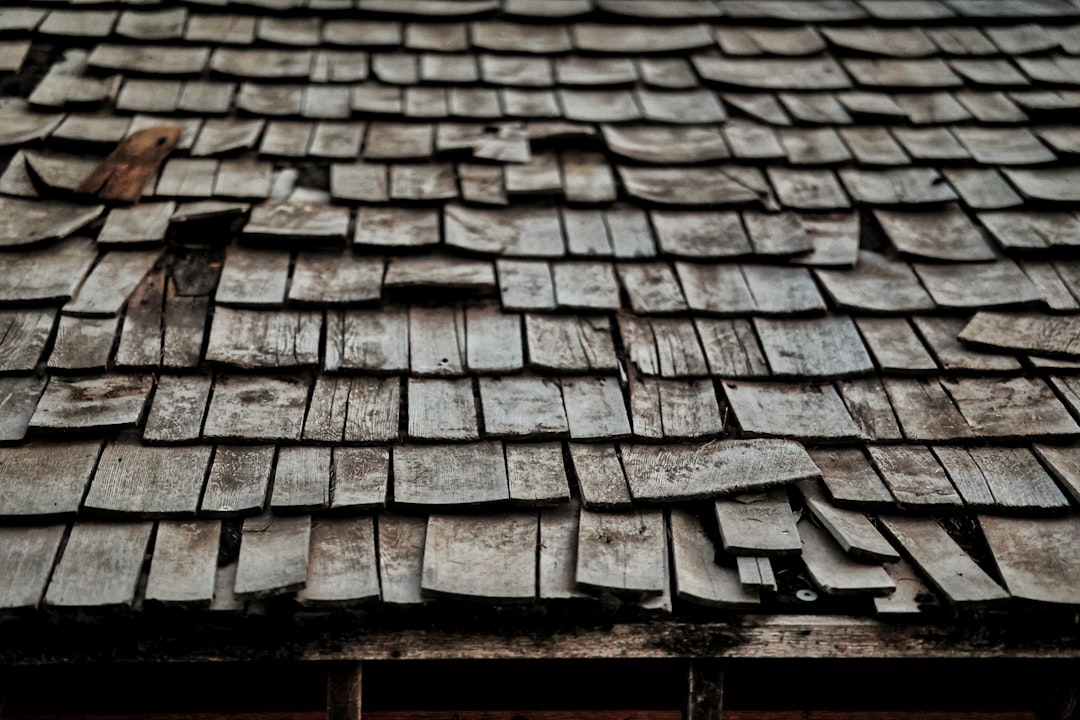
Don’t wait until a storm is named to think about your roof. A professional inspection from a trusted local expert, like Priority Roofing, which specializes exclusively in residential and commercial roofing, can spot trouble before it starts. Before hurricane season kicks off on June 1st, have a pro check for:
- Loose or cracked shingles
- Damaged flashing around chimneys, vents, and skylights
- Failing seals on pipe boots
- Clogged gutters that can cause water to back up under the eaves
A small, inexpensive repair in May can prevent a devastating, wallet-busting failure in August.
Batten Down the Hatches: Securing Your Home’s Envelope
Securing your home’s entry points with impact-resistant windows and reinforced doors prevents catastrophic pressure changes during a hurricane. According to FEMA, if high-velocity wind gets inside your home through a broken window or door, the pressure inside builds up and pushes outwards and upwards on the roof. This internal pressure, combined with the suction force of the wind passing over the top, can lift the roof right off the structure. You have to keep the wind out.
Impact Glass vs. Shutters: A Captain’s Practical Choice
You have two main options for protecting your windows, and the best choice depends on your budget and how much prep work you’re willing to do before a storm.
| Protection Method | Pros | Cons |
|---|---|---|
| Impact-Rated Windows | Passive protection (always in place), no pre-storm labor required, may offer insurance discounts. | High upfront cost. |
| Storm Shutters/Plywood | Much lower cost, provides excellent protection when properly installed. | Requires manual labor to install before a storm, requires storage space. |
The Forgotten Entry Point: Your Garage Door
A standard, unreinforced garage door is often the weakest link in a home’s defense. It’s essentially a giant, flimsy sail that can easily buckle or be blown in by intense wind pressure. Once the garage door fails, the wind can pressurize the entire house. Ensure your door is hurricane-rated or invest in an aftermarket vertical bracing kit to reinforce it.
Tidy Up the Deck: Managing Your Landscape and Outdoor Gear
Properly managing your landscape and securing outdoor items can prevent them from becoming dangerous projectiles in high winds. During a hurricane, the most common damage often comes not from the storm itself, but from what the storm picks up and throws around. Your own property can become an arsenal of damaging missiles.
A Pre-Season “Projectile Audit”
Long before a storm is on the radar, walk your property. Make a mental or written list of everything that isn’t bolted down. This includes:
- Patio furniture and umbrellas
- Grills and smokers
- Potted plants
- Yard decor and kids’ toys
- Tools and garbage cans
Have a clear plan for where these items will be stored—preferably in a secure garage or shed—when a storm watch is issued.
Strategic Tree Trimming
Overhanging branches are a direct threat to your roof. Hire a professional arborist to trim your trees, removing any dead, weak, or diseased limbs. A healthy, well-maintained tree with a thinned canopy is far less likely to fail and cause damage to your home.
Securing Docks, Lifts, and Outdoor Gear
As a captain, you’ve got more than just patio furniture to worry about. Your livelihood is tied to the gear around your home and dock. Ensure your dock cleats are securely bolted and in good condition. Raise boat lifts as high as they can go. Any loose gear—ice chests, gaffs, nets, tackle stations, and cast nets—needs to be stored securely indoors. This is the equipment you need for those epic tuna fishing vacations in Venice, LA, and you can’t afford to lose it.
Your Logbook for Recovery: Documentation and Insurance
Comprehensive documentation of your home and belongings before a storm is the key to a smooth and successful insurance claim process. When the storm passes and the recovery begins, you’ll be dealing with insurance adjusters. Having your proof ready before the damage occurs is the single best thing you can do to ensure a fair and prompt settlement.
Create a Video Inventory
This is the easiest and most effective way to document your possessions. Take your smartphone and walk through every single room of your house, slowly recording everything. Open closets, cabinets, and drawers. Narrate what you’re seeing, calling out specific high-value items like electronics, firearms, or expensive fishing reels. Do the same for your garage, shed, and any outdoor structures.
Know Your Policy: Wind vs. Flood
This is critical in coastal Louisiana. A standard homeowner’s insurance policy does not cover damage from flooding (i.e., rising water). You need a separate flood insurance policy, typically from the National Flood Insurance Program (NFIP). Review both of your policies annually with your agent to make sure your coverage limits are adequate to cover the current value of your property and its contents.
Digitize and Store Off-Site
Once you have your video inventory, photos of important documents, and digital copies of your insurance policies, don’t just leave them on your computer. Upload everything to a secure cloud service like Google Drive, Dropbox, or OneDrive. This ensures you can access these critical files from anywhere, even if your home and all your physical records are gone.
An Investment in Your Charter Business
A storm-proof Gulf Coast home isn’t an expense; it’s an insurance policy for your business continuity and your family’s safety. It’s an investment that pays dividends in peace of mind. By focusing on the critical areas—your roof, your windows, your yard, and your paperwork—you build a fortress that lets you weather the storm with confidence. Taking these steps frees you from worry, minimizes your recovery time, and gets you back on the water where you belong, chasing the big ones and providing unforgettable deep sea fishing charters.
Ready to get back to planning your next adventure? From expert guides on tuna fishing in the Gulf of Mexico to finding the perfect trip, Louisiana Charter Fishing is your ultimate resource. Browse our guides and get ready for your next cast.