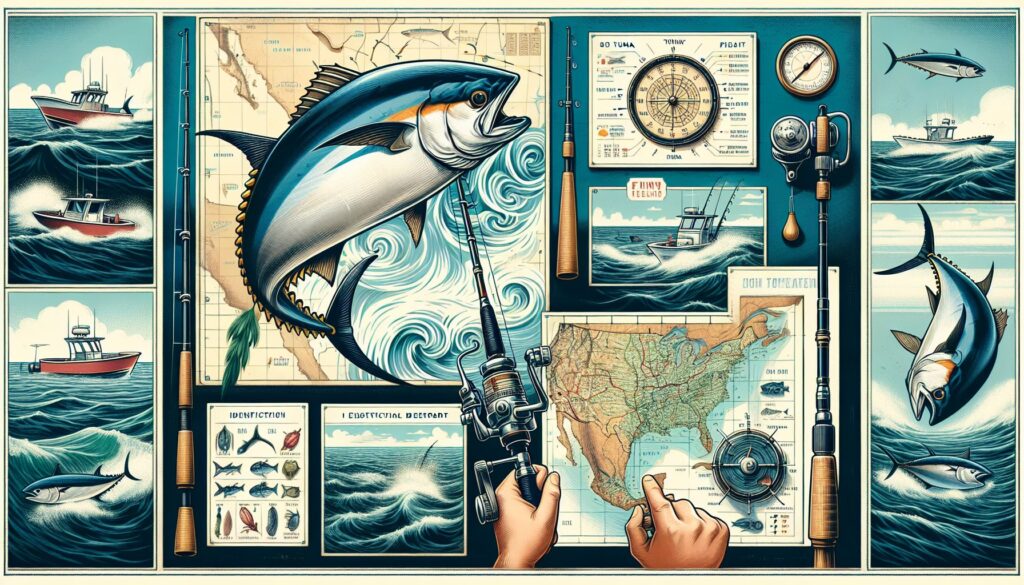
Welcome to the vast azure waters of the Gulf of Mexico, a fertile fishing ground for anglers dreaming of the adrenaline rush that comes from hooking one of the ocean’s fastest and most elusive predators, the yellowfin tuna. With nearly 600,000 square miles of ocean area, the Gulf of Mexico offers an abundance of these sought-after game fish, attracting novices and experienced fishers alike with its promise of an exceptional offshore adventure. With statistical insights reflecting a robust annual tuna catch, the thrill of reeling in a massive yellowfin isn’t just a possibility – it’s an experience awaiting anyone equipped with the right knowledge.
The Allure of Yellowfin Tuna in Gulf Waters
Yellowfin tuna, characterized by their metallic blue backs and bright yellow fins, are not just about their striking appearance. Highly prized for both their fight and their flavor, they present a unique challenge even to seasoned anglers due to their astonishing speed and strength. The Gulf of Mexico is a prime habitat for these aquatic athletes, with warmer currents serving as feeding grounds and fostering impressively sized specimens. Anglers are drawn not only by the sport but also by the possibility of a prized catch, which can weigh anywhere from 30 to over 200 pounds.
Gear Up for Success
To stand a chance against a powerful yellowfin, the right gear is non-negotiable. Begin with a high-capacity, high-strength reel – something in the 30- to 50-pound class is standard to handle the stress of the initial strike and the ensuing battle. Pair that with a robust, high-modulus graphite or composite rod that can maintain the delicate balance between strength and sensitivity. Quality line and leader are also a must, with many preferring fluorocarbon for its reduced visibility and abrasive resistance. Opt for a range of 30 to 100 pounds, depending on personal preference and the anticipated size of the tuna.
Locating Your Prize
Understanding where to find yellowfin is critical, as tuna fishing is not a passive pursuit. It requires knowledge of oceanic conditions such as temperature breaks, water color, and current eddies, which can often be pinpointed by using satellite imagery prior to departure. Moreover, these predators are often found associated with structure, whether it’s underwater topography like oil rigs, or transient features like weed lines and floating debris which attract baitfish. Trolling around these areas can increase the likelihood of an encounter as it covers more ground.
Techniques That Hook
Whether trolling with lures or live bait, there are a variety of methods that are effective in the Gulf of Mexico. When trolling, use a spread of lures at varying depths, as yellowfin tunas can be found from surface to about 100 feet deep. Look for bird action on the water’s surface, as this often indicates active feeding. Chumming with live bait, such as menhaden or sardines, can also draw yellowfin close to the boat, setting the stage for an explosive bite. For the more adventurous or experienced, kite fishing can offer an exhilarating option by presenting the bait on the water’s surface, simulating struggling prey.
The Tussle with a Tuna Giant
Once hooked, the real work begins. Yellowfin tuna are notorious for their initial dive, a powerful plunge into the depths that will test both tackle and resolve. The key to success from here is a combination of stamina and technique, maintaining a steady pressure to tire the fish out while being ready for sudden runs or changes in direction. This can be a lengthy affair, requiring both patience and physical fitness, especially when dealing with larger specimens.
The Reward of Cooperation and Ethics
Remember, tuna fishing is not just about the individual; it demands cooperation among anglers, captain, and crew. It’s a collective choreography, from casting baits to managing lines and ultimately landing the fish. Furthermore, the Gulf’s ecosystem is fragile and respecting size and bag limits is crucial for conservation. Catch-and-release practices and the use of circle hooks can contribute to sustainable fishing efforts, ensuring that future generations can enjoy the same exhilarating yellowfin battles.
Preparation and Safety
In the quest for tuna, preparation extends beyond gear to include safety measures. Given the remote and potentially hazardous deep-sea environment, ensure the presence of proper safety equipment including life jackets, radios, and flares. Weather can be unpredictable, and rough seas are not uncommon. Thus, closely monitor weather forecasts and sea conditions prior to and during your trip. An informed and prepared angler is a safe one.
Bring Your A-Game
On the deck, in the midst of fighting a robust yellowfin, your tenacity is as important as your equipment. Mental toughness will serve well during the often hour-long battles with these formidable creatures. The Gulf’s yellowfin will test your resolve, but the satisfaction of eventually besting a giant is unparalleled. The pride in capturing such a worthy opponent, and perhaps enjoying its lush, sashimi-grade flesh, culminates in an incomparable deep-sea fishing experience in the Gulf of Mexico.
Final Thoughts
Tuna fishing in the Gulf of Mexico is more than a pastime – it’s a thrilling pursuit that calls to the adventurer in every angler. There is something ineffably exciting about setting out into the deep blue, armed with knowledge, gear, and a hefty dose of determination, in pursuit of the yellowfin. Respect the fish, respect the ocean, and the rewards – both personal and culinary – will be extraordinary. Whether seasoned or novice, take to the Gulf’s open arms, for the next record-breaking yellowfin tuna may be waiting at the end of your line.