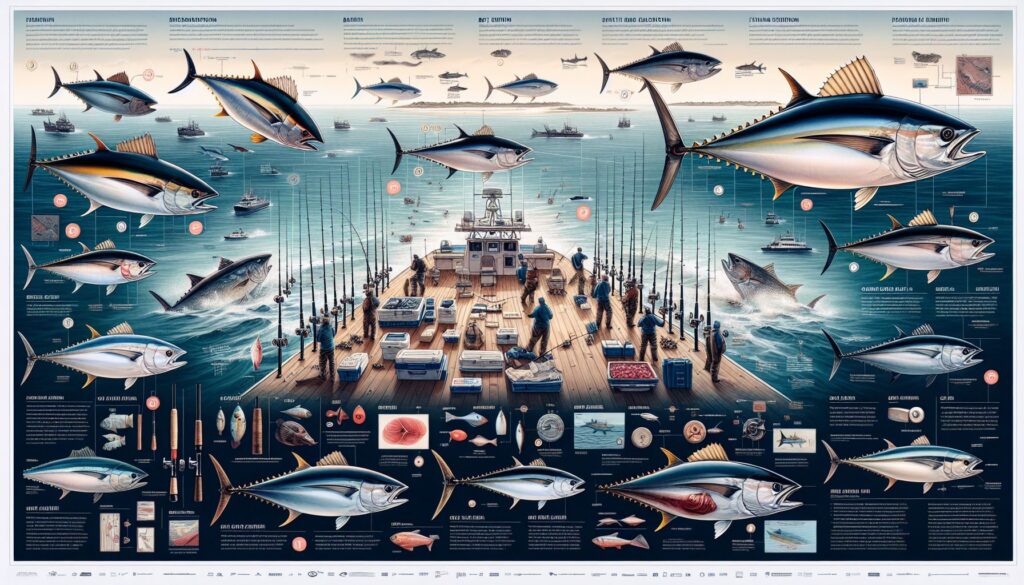
Welcome to the vast aquatic wonderland known as the Gulf of Mexico, where the deep blue waters invite anglers of all levels to explore the art and excitement of fishing for one of the ocean’s most prized catches: Yellowfin tuna. With over a decade of reports and data amassed, the Gulf of Mexico stands out as one of the premier destinations for tuna fishing enthusiasts. According to the NOAA Fisheries, the Yellowfin tuna, Thunnus albacares, is a species with a considerable population in the Gulf, making it a major target for both commercial and recreational fishers. This guide will explore the essentials you need to know to successfully catch this powerful and majestic fish.
Understand Yellowfin Tuna in the Gulf
Yellowfin tuna are renowned for their speed, agility, and strength, which makes catching them a truly rewarding experience. They can weigh anywhere from 30 to over 200 pounds, with the Gulf of Mexico offering some of the largest specimens. Known for their vibrant yellow fins and sleek, torpedo-shaped bodies, these tunas are not just sought-after catches but also provide a thrilling challenge to anglers.
Gear Up for the Challenge
Before setting sail for the deep waters where Yellowfin tuna roam, ensure you’re well-equipped for the task. Start by selecting a heavy-duty rod and reel combo designed for saltwater deep-sea fishing. A reel with a high line capacity and a strong drag system is critical, as Yellowfin tuna are known for their long and powerful runs. Use braided lines for their strength and resistance to the elements, combined with a fluorocarbon leader to maintain invisibility under water and enhance the chance of a successful catch.
The choice of bait and lures is also significant. Live bait such as mackerel, herring, or squid often produces the best results, but artificial lures designed to mimic these prey species can also be effective. Pay close attention to the color and movement of lures; it’s often the key to enticing a bite from these astute predators.
Best Time and Places for Tuna Fishing
Timing is everything, and for Yellowfin tuna in the Gulf of Mexico, the ideal period is from late spring to early fall. This is when the water temperatures are optimal, and the tuna feed more aggressively. Look for areas where warm and cool currents converge, creating the perfect habitat for baitfish, and in turn, Yellowfin tuna.
The Gulf of Mexico is vast, but certain spots are notorious for being Yellowfin hotspots. The Flower Garden Banks, located about 100 miles off the coast of Texas and Louisiana, offer some of the best tuna fishing in the region. Also, the Mississippi Canyon, an area dense with oil rigs, provides an artificial reef environment that attracts baitfish and tunas alike.
Techniques for a Successful Catch
Once at the chosen location, there are various techniques you can use to attract Yellowfin tuna. Chumming, which involves scattering small baitfish or chunks into the water, can be particularly effective in drawing tunas close to the boat. Trolling with baits or lures is another productive method, as it covers more area and mimics the movement of live prey.
For a more hands-on approach, consider casting or jigging. This method requires precise casting skills as you’ll be targeting your lures near or into the schooling fish or around structure, such as oil rigs, where Yellowfin tend to congregate.
Handling and Conservation
Catching a Yellowfin tuna is just part of the journey; handling it properly secures the catch and respect for the species. When reeling in a Yellowfin, keep the struggle as short as possible to avoid exhausting the fish, especially if you plan on releasing it. Upon capture, if you’re keeping the tuna, ice it immediately to preserve the quality of the meat.
It’s also important to be mindful of conservation efforts. Adhere to the regulations set by the Gulf of Mexico Fishery Management Council regarding size and bag limits. These regulations are in place to ensure the sustainability of the Yellowfin tuna population for future generations of anglers.
Hiring a Professional Charter
Embarking on a fishing expedition in the Gulf of Mexico can be a daunting task to tackle alone. Hiring a fishing charter can provide not only the necessary equipment and knowledge but also a safer and potentially more successful outing. When selecting a charter, consider the captain’s experience, the quality of the gear provided, and reviews from previous clients to ensure a reputable and reliable experience.
Professional charters know the Gulf’s waters like the back of their hand. They monitor weather conditions, fish activity, and are knowledgeable about the most productive fishing spots and the best techniques. They can provide invaluable assistance, from baiting hooks to navigating the challenging waters, making your experience both enjoyable and fruitful.
Embracing the Tuna Fishing Adventure
Embark on the quest for Yellowfin tuna in the Gulf of Mexico and be ready for an exhilarating adventure. Remember, patience and persistence are as important as the gear and techniques used. Every cast brings you closer to the thrill of reeling in one of these magnificent creatures.
Whether you’re a seasoned angler or someone looking to cross tuna fishing off their bucket list, the Gulf of Mexico offers an unparalleled experience. The combination of clear waters, abundant fish, and the pure joy of the catch make for unforgettable memories.
Enjoy the dance of reel and rod, the anticipation of the bite, and the satisfaction of a well-earned catch. But most importantly, cherish the connection with nature that comes with the sport of fishing. Welcome to the exciting and rewarding world of Yellowfin tuna fishing in the Gulf of Mexico – may your lines be tight and your spirits high.