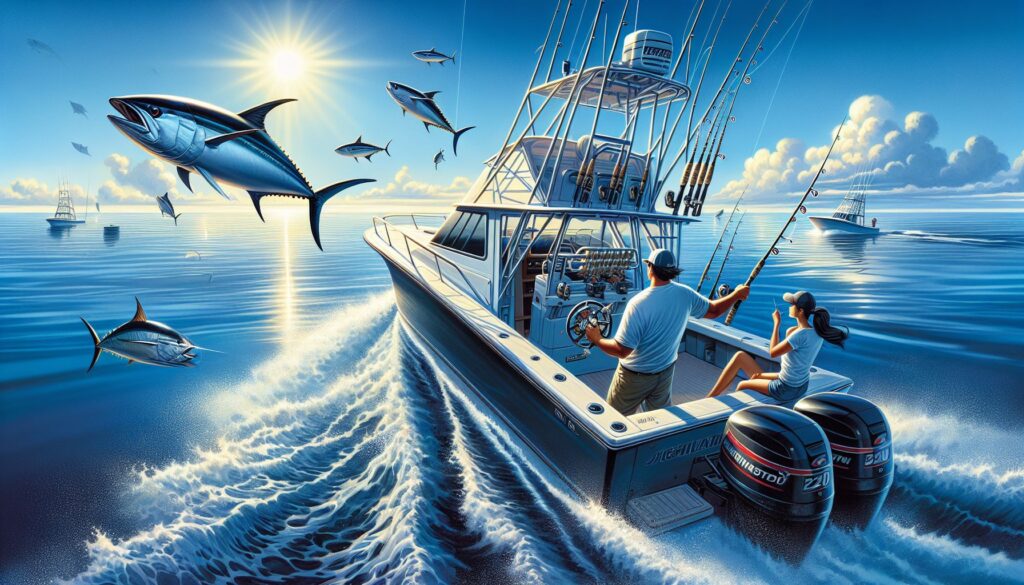
Warm Gulf breezes, crystal-clear waters, and the chance to land a prize catch – this is why avid anglers flock to the Gulf of Mexico year-round for some of the most exhilarating tuna fishing on the planet. But it’s more than thrill and sport; it’s a nuanced art that beckons the well-prepared and rewards the persistent. Each year, countless fishers set out with dreams of a bountiful haul, and with the right knowledge, you too can join the ranks of successful tuna hunters in these prolific waters.
Introduction
In the vast expanse of the Gulf of Mexico, a world of fishing adventure awaits, boasting a rich variety of marine life, including the highly sought-after yellowfin tuna. Notorious for their speed, strength, and the sheer challenge they present, yellowfin are the ultimate catch for many fishing enthusiasts. Statistics reinforce the allure, with the Gulf annually hosting numerous fishing tournaments and charters dedicated to tracking down this prized species. They are abundant throughout the region, but catching them is an intricate dance between skill, patience, and understanding their elusive nature.
Understanding Yellowfin Tuna
Before setting out on your quest for yellowfin tuna, it’s essential to understand your quarry. Yellowfin tuna (Thunnus albacares) are remarkable creatures. Fast swimmers and voracious feeders, they migrate great distances and have a unique physiology that allows them to thrive in the warm waters of the Gulf of Mexico. They can grow to impressive sizes, with some individuals weighing over 400 pounds, though most caught range between 50 and 150 pounds. Understanding their habits is critical. They are known to feed near the surface at dawn and dusk but can also dive deep during the day, often associating with structures like oil rigs, seamounts, and wrecks or following schools of baitfish.
Gear and Tackle for Tuna Fishing
To stand a chance against the powerful yellowfin, the right gear and tackle are non-negotiable. Begin with a high-quality, heavy-duty rod and a reel capable of holding a significant amount of line – yellowfin are known for their long, unrelenting runs. A reel with a smooth but powerful drag system will help when battling these robust fish.
Line choice varies among anglers, but high-test braided lines are popular for their strength and sensitivity, allowing for a better response to subtle bites at depth. When it comes to lures and bait, a mix of live and artificial options should be in your arsenal. Live baits such as mackerel or pilchards are effective, as are artificial lures like poppers and jigs that mimic injured baitfish. The importance of having a diverse range of options cannot be overstated; yellowfin tuna are known for being particular, and what works one day may not the next.
Techniques for Catching Yellowfin Tuna
Mastering various fishing techniques will significantly improve your chances of a successful catch. Trolling with lures is a widely employed method, covering a large area and enticing fish with the movement of the bait. Chumming, or throwing baitfish overboard to attract tuna, is another effective technique, as it brings the fish closer to your boat and into casting range.
Kite fishing, a technique that suspends live bait at the surface using a kite, can be particularly effective for yellowfin as it keeps the baitfish at the water’s surface, mimicking the behavior of an injured fish and triggering the predatory instincts of the tuna.
For the most adventurous, there’s nothing quite like the thrill of sight casting to a school of feeding yellowfin, watching as a well-placed lure or bait is attacked with breathtaking speed and force. This method requires keen eyesight, quick reflexes, and a boat capable of stealthy, precise maneuvering.
Best Spots for Tuna Fishing in the Gulf
Location is everything when it comes to fishing, and the Gulf of Mexico has numerous hotspots known for their yellowfin populations. The Flower Garden Banks National Marine Sanctuary, situated about a hundred miles off the Texas and Louisiana coast, offers vibrant ecosystems that attract big game fish, including yellowfin.
Another noteworthy location is the Mississippi Canyon, a deep-water habitat off the coast of Louisiana that’s known to house large yellowfin tuna, especially during the late spring to early summer months. Offshore oil rigs also serve as artificial reefs, drawing baitfish and, by extension, yellowfin tuna – making them prime fishing spots.
The Loop Current, a fast-moving body of warm water that flows through the Gulf, can also be an ideal place to find yellowfin tuna as it influences water temperature and baitfish movements which tuna are keen to follow.
Tips for a Successful Fishing Trip
When planning a fishing trip aimed at catching yellowfin, timing is crucial. While they can be caught year-round, the peak season generally runs from April through June. Paying close attention to weather patterns and water temperatures can increase your chances, as tuna prefer warmer waters between 70 and 85 degrees Fahrenheit.
Hiring a well-reviewed charter can also enhance your experience. Professional guides, familiar with the habits and locations of yellowfin, can provide invaluable insights and increase your chances of success. Plus, they handle the details of navigation, allowing you to focus on the fishing.
When on the water, stay alert and watch for signs of fish activity, such as birds diving or fish breaking the surface. Yellowfin tuna fishermen learn to read these signs like a book, predicting the movements of their quarry with uncanny accuracy.
Conserving the Yellowfin Tuna Population
With the thrill of the chase and the struggle of the fight, it’s easy to get swept up in the sport of tuna fishing. However, sustainable practices are essential for preserving the yellowfin populations for future generations. Adhere to size and bag limits set by the authorities and practicing catch and release when appropriate. Ethical charter services will follow these guidelines strictly and encourage their guests to do the same.
Conclusion
The dance with a yellowfin tuna on the line is an unrivaled experience, one that is both profound and exhilarating. It’s a sport that challenges the body and mind, creating stories to be told for years to come. Incredible strength and dazzling speed define these majestic creatures, but with knowledge, preparation, and respect for the environment and its inhabitants, you can take part in this grand maritime tradition.
As you embark upon your next tuna fishing adventure in the Gulf of Mexico, remember the journey is as remarkable as the destination. Whether it’s the anticipation of a dawn patrol or the satisfaction of the sun setting on a successful day, each moment is a treasure, and the yellowfin tuna is a gem worthy of such pursuit.