


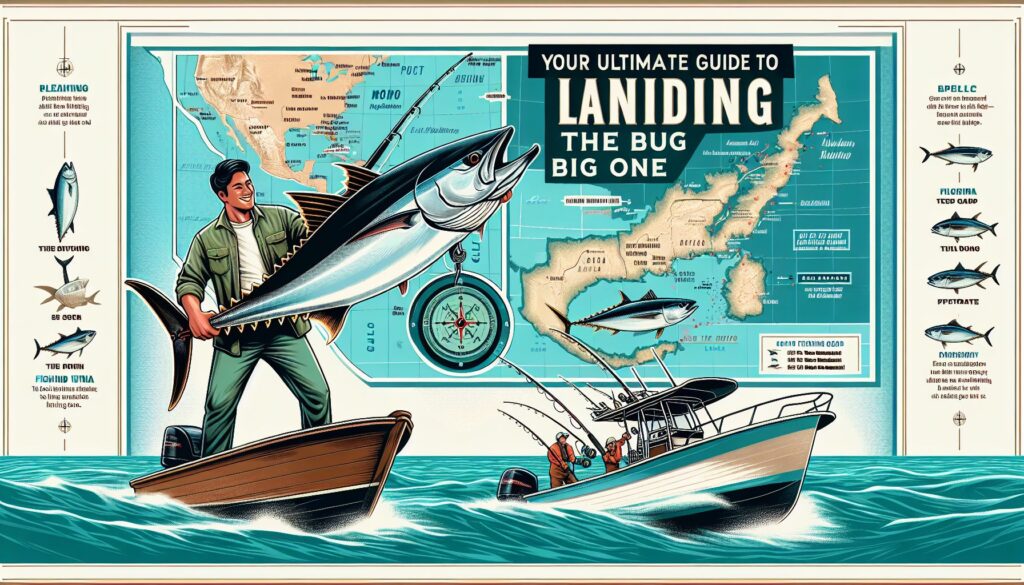
The Gulf of Mexico plays host to a deep-sea fishing adventure unlike any other, where the blue waters brim with the majestic and highly sought-after yellowfin tuna. This prized sport fish is a beacon for anglers who come with dreams of battling and boating one of the ocean’s greatest warriors. With robust populations and a year-round fishing season, the Gulf of Mexico offers unparalleled opportunities for those keen on catching these magnificent creatures. Statistics from the National Oceanic and Atmospheric Administration show that recreational fishing in the Gulf has a significant economic impact, which is, in part, driven by the popularity of tuna fishing excursions.
Understanding Yellowfin Tuna Habits
Yellowfin tuna are known for their speed, strength, and stamina, making them one of the most thrilling catches for any angler. They prefer warm waters and are commonly found in pelagic environments, meaning they can usually be found in the deep, open ocean rather than close to the coastal shelves. In the Gulf of Mexico, yellowfin tuna can typically be located around floating debris, weed lines, and oil rigs, which serve as rich feeding and breeding grounds due to the plethora of smaller fish that inhabit these structures.
The Best Times and Places for Tuna Fishing in the Gulf
The Gulf of Mexico’s fishing calendar for yellowfin tuna is favorable nearly year-round, but the optimal time to target these fish is generally between early spring and late fall when the waters are warmer and the food sources are abundant. Certain areas such as the Mississippi River Delta and the waters around oil rigs, especially off the coast of Louisiana, are widely regarded as hot spots for yellowfin tuna because of the rich supply of baitfish and favorable water conditions.
Tackling the Tuna: Gear and Techniques
When setting out to fish for yellowfin tuna, the type of gear and the techniques used can make the difference between a successful outing and returning to the dock empty-handed. Heavy duty, high-quality tackle is absolutely essential due to the sheer power and size of these fish, which can reach hundreds of pounds.
Rods and Reels
Choose a high-quality, heavy action rod that can handle line weights of up to 130 pounds, paired with a strong, durable reel. Lever drag reels are popular for their ability to adjust the drag during the fight with the fish. These reels should be spooled with plenty of high-test braided line to withstand the long, high-speed runs that yellowfin are famous for.
Baits and Lures
As for baits, live bait such as pilchards, mullet, and menhaden are particularly effective in attracting yellowfin. Chumming, where baitfish are cut up and thrown into the water to attract tuna, is a widely used technique. Artificial lures can also work well, especially when trolling. Lures that mimic the movement and coloration of baitfish tend to be the most successful in triggering strikes.
Techniques for Success
Trolling is a popular method for locating and hooking yellowfin tuna, allowing anglers to cover a large expanse of water while varying the depths and types of lures or baits used. Once a school of tuna is located, switch to casting or live bait fishing to further entice these discerning predators.
Advanced Strategies for the Experienced Angler
For those seasoned in the art of deep-sea fishing, employing more advanced tactics can greatly enhance the chance of landing a trophy yellowfin.
Chumming and Chunking
Beyond basic chumming, ‘chunking’ involves throwing larger chunks of baitfish into the water to create a scent trail that can bring yellowfin up from the depths. This method can be quite effective but requires patience and a good understanding of how to maintain the trail without overfeeding the fish.
Kite Fishing
Kite fishing is an innovative technique in which baits are dangled from a kite above the water, keeping them just at or slightly below the surface. This method capitalizes on the tuna’s propensity to feed upward and can result in explosive surface strikes.
Hiring a Professional Charter: Maximizing Your Experience
For those who are serious about landing yellowfin tuna, hiring a professional charter can be an invaluable investment. Not only do charters grant access to the best fishing spots and expert guidance, but they also come equipped with the high-grade gear and tackle necessary for tackling these robust fish. The captains and crews of these charters have a wealth of local knowledge and can pinpoint where the fish are biting on any given day. Additionally, they can teach the less experienced the best practices for fighting and landing yellowfin tuna, ensuring a productive and memorable trip.
What to Look for in a Charter Service
When selecting a charter, look for services with a proven track record of successful catches and positive reviews from previous clients. Make sure their boats are well-maintained and equipped with the necessary safety equipment. It’s also essential that the crew members are professional, courteous, and committed to sustainability and the preservation of the fisheries.
Conservation: A Shared Responsibility
Enjoying the privilege of fishing for yellowfin tuna in the Gulf of Mexico carries with it the responsibility to ensure the sustainability of these fish stocks. Practices such as catch and release, when appropriate, and adhering to established regulations regarding size and bag limits are essential. Anglers should be conscientious stewards of the sea, committed to preserving the tuna populations, and their habitats for future generations to enjoy.
Conclusion
The thrill of battling a yellowfin tuna in the Gulf of Mexico is an unparalleled experience that calls to sport fishers from around the world. By understanding the habits and preferences of these incredible fish, equipping oneself with the proper gear, and enlisting the expertise of professional charters, anglers can significantly increase their chances of success. Remember to embrace sustainability and conservation principles to ensure that these fishing adventures can be enjoyed far into the future. With preparation, persistence, and a touch of luck, you’ll be on your way to hauling in the catch of a lifetime!


