


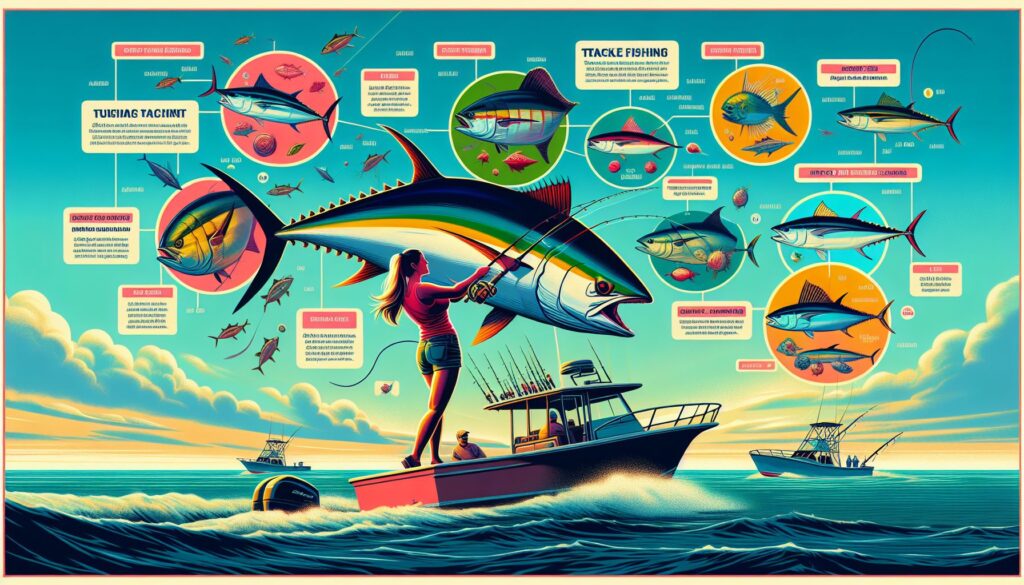
Welcome to the thrilling world of Tuna fishing in the Gulf of Mexico. Each year, anglers from around the globe flock to this diverse body of water in pursuit of the elusive and highly prized yellowfin tuna. With an estimated 27,000 species of fish found in the Gulf, it’s no surprise that it provides some of the most vibrant fishing grounds on the planet. Among these, the yellowfin tuna stands as a beacon for skilled anglers, boasting impressive sizes that can exceed 200 pounds. In fact, the Gulf of Mexico Fisheries Management Council reports that commercial landings of yellowfin tuna averaged 1.2 million pounds from 2013 to 2017, a testament to the rich abundance of these fish. This comprehensive guide will dive deep into the techniques, seasons, and hotspots for securing your catch in the bountiful waters of the Gulf.
Understanding the Yellowfin Tuna
Before setting out on your quest, it’s vital to understand what makes yellowfin tuna a unique and challenging target. They are renowned for their speed and strength, features that make them a top predator in their environment. Typically found in deeper offshore waters, yellowfin tend to stay near the thermocline, where water temperatures are conducive to their survival and to the presence of their prey.
Prime Tuna Fishing Seasons
The Gulf of Mexico’s climate varies throughout the year, and so does the availability of yellowfin tuna. The peak season for yellowfin in the Gulf typically runs from late spring through early fall, with the months of April through June being particularly robust. During this time, the warmer waters and calmer seas provide ideal fishing conditions. Although it is possible to catch tuna outside of these months, the consistency of catches tends to wane.
Essential Gear and Techniques
Armed with the right gear and techniques, you’ll increase your chances of a successful outing. Here’s what you need to know:
Tackling the Challenge
A heavy-duty fishing rod and a reel capable of handling high-test line are essential due to the size and power of yellowfin. Opt for a 50-80 pound class rod and a reel with a smooth drag system. Load it with a high-quality line, perhaps a braided line for its strength and sensitivity, although some prefer mono for its shock-absorbing properties during the intense fights associated with yellowfin tuna.
Bait and Lures
Live bait, such as mullet or mackerel, is highly effective in attracting yellowfin. If you’re using lures, choose ones that mimic the appearance and movement of baitfish. Chumming the waters can also heighten the chances of luring yellowfin to your location.
Advanced Techniques
Beyond the basics, there are specific techniques that can help you outsmart yellowfin. Kite fishing is a popular method as it keeps the bait at the surface and can trigger spectacular surface bites. Another method is chunking, which involves cutting up baitfish into smaller pieces and slowly dispersing them into the water to create a bait trail and attract tuna.
Top Yellowfin Tuna Hotspots in the Gulf
Certain areas within the Gulf of Mexico are known hotspots for yellowfin tuna. These include:
- The Mississippi River Delta: This nutrient-rich area attracts a plethora of marine life, including yellowfin who feed on the abundant smaller fish.
- The Flower Garden Banks: Located off the Texas coast, these protected coral reefs are a haven for big game fish.
- The Loop Current: This warm-water current can be found off the coast of Louisiana and is often associated with clear blue waters and larger tunas.
The Role of Fishing Charters
Engaging with experienced fishing charters can make a significant difference in success rates. These charters can provide not only the required equipment but also invaluable local knowledge and expertise to guide you to the best fishing spots and help you hone your technique. They know the water, the weather patterns, and where the tuna might be biting on any given day.
What to Look For in a Charter
When selecting a charter, consider factors like the captain’s experience, the quality of the boat and equipment, safety features, and customer reviews. It’s crucial to team up with a charter that is well-equipped to handle the rugged demands of offshore tuna fishing.
Conservation and Ethical Fishing
While the thrill of the chase is undeniable, the importance of ethical fishing practices cannot be overstated. This means adhering to regulations set by the National Oceanic and Atmospheric Administration (NOAA) and the Gulf of Mexico Fishery Management Council regarding size and bag limits to ensure sustainable fishing and the long-term health of the tuna population.
Catch and Release
For those who fish for sport rather than consumption, there is an increasing emphasis on catch and release. This practice allows anglers to enjoy the sport without contributing to the decline of the species. If you’re practicing catch and release, ensure you handle the fish properly to maximize its chance of survival upon release.
Preparing for Your Tuna Trip
Before you embark on your journey into the deep waters of the Gulf, make sure to prepare both mentally and physically. Offshore fishing can require endurance, so it’s essential to be in good physical condition. Also, understand the laws and have all necessary permits and licenses in place.
Closing Thoughts
Tuna fishing in the Gulf of Mexico is not just a sport; it’s an adventure that immerses you in the raw beauty of nature and tests your angling acumen to its limits. With patience, preparation, and respect for the majestic yellowfin tuna and its habitat, you’re setting the stage for what could be the fishing trip of a lifetime. Remember, it’s not just about the catch; it’s about the respect for the ocean and the memories that you’ll cherish forever. Happy fishing, and may the reels be ever in your favor!


