


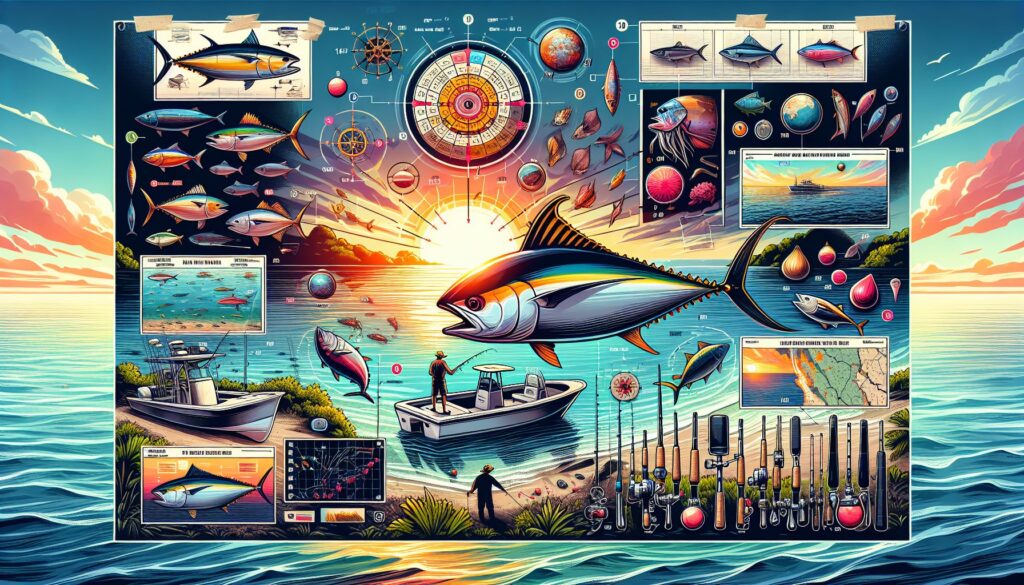
The Gulf of Mexico is a vast and bountiful body of water that is teeming with aquatic life, making it a paradise for anglers seeking the thrill of the catch. This guide dives deep into the world of tuna fishing in this region, which is an activity filled with both challenges and monumental rewards. Regularly, yellowfin tuna are targeted due to their size, fighting spirit, and delectable taste. In the Gulf of Mexico, this species is thriving, with stocks carefully monitored to ensure sustainable fishing practices. According to the National Oceanic and Atmospheric Administration (NOAA), recreational fishing in the Gulf of Mexico contributed over $10 billion to the U.S. economy in recent years, a testament to its vitality and allure for fishermen from around the globe.
Understanding the Gulf of Mexico’s Aquatic Majesty
Tuna fishing in the Gulf of Mexico isn’t just a pastime; it’s an adventure that draws you into the heart of nature’s underwater ballet. The waters of the Gulf are unusually warm, fed by the loop current, which provides an ideal habitat for a diverse range of marine species. Yellowfin tuna, in particular, thrive in these conditions, where they hunt smaller baitfish and grow to impressive sizes, some even reaching the formidable weight of over 200 pounds.
The Gulf’s unique topology and weather patterns create an environment ripe for sportfishing. The combination of depth variations, currents, and the presence of oil rigs, which act as artificial reefs, offer a rich ecosystem where tuna congregate. This environment not only nurtures enormous schools of baitfish but also creates a dynamic stage where anglers can test their mettle against one of the ocean’s most prized game fish.
Prime Spots and Seasons for Tuna Fishing
Finding the ideal spot for fishing in the Gulf is crucial for a successful outing. Hotspots for yellowfin tuna fishing tend to concentrate around the continental shelf’s edge where the seabed plunges into deeper waters, creating what is known as the ‘tuna alley.’ This is where the magic happens, and understanding the migratory patterns of these species will significantly increase the chances of a fruitful catch.
The best times for tuna fishing usually align with the migrations and spawning periods of yellowfin. Spring and summer are the peak seasons when tuna move closer to shore in pursuit of food. However, dedicated anglers know that these magnificent creatures can be found throughout the year if you know where to look. Timing your trip with the phases of the moon can also play a role, with many fishermen swearing by the benefits of fishing on or near a full moon, attributing to the increased activity of baitfish during these periods.
Gear Up for the Big Catch
Preparing for a tuna excursion means gearing up with the right equipment. High-quality, heavy-duty rods and reels are a necessity due to the sheer strength of yellowfin tuna. When venturing into the deep waters of the Gulf, a variety of tackle will be required to adapt to changing conditions and different fishing techniques. It’s recommended to have a selection of lures, including poppers and jigs, and live bait such as mackerels and herring to entice the discerning appetites of yellowfin.
While the gear is essential, so too is the technique. Trolling is a widespread approach where lures or baited lines are drawn behind the moving boat, designed to mimic the appearance of injured prey. On the other hand, chumming and using live bait can also lure yellowfin to the surface. When yellowfin hits the line, be prepared for a serious workout; the fight these giants put up is legendary among anglers.
Strategies for a Successful Tuna Trip
Devising a tactical approach can significantly increase the odds of landing a prized yellowfin. One popular method is to seek out natural or man-made structures, such as oil rigs, which attract smaller fish and, in turn, the predators that feed on them. By fishing these areas, you place yourself in the heart of the food chain turbulence that tuna are naturally drawn to.
Keeping an eye out for signs of feeding can also lead to success. Birds diving into the water is a telltale sign that baitfish are being pushed to the surface by larger predators like tuna. Spotting and quickly reaching these feeding frenzies can result in an exciting and potentially high-reward fishing experience.
Conservation and Respect for the Catch
While the thrill of the hunt is undeniable, responsible fishing practices ensure that future generations will also enjoy the sport. Regulations set forth by bodies like the NOAA ensure that the tuna populations remain stable. Adherence to these rules, such as respecting size limits and catch numbers, are part of being an ethical angler.
Catch and release is another aspect of conservation that anglers are encouraged to practice, especially with non-target species or undersized fish. Additionally, using circle hooks instead of traditional J-hooks can minimize the potential damage to the tuna, making for a safer release back into the wild.
From Sea to Table: The Culinary Reward
One of the most satisfying aspects of catching a yellowfin tuna is the gourmet treat that awaits. This fish is renowned for its rich, red flesh that is a delicacy in sushi and sashimi dishes around the world. But it’s not just about raw consumption; grilled, seared, or baked, yellowfin tuna offers a versatile and delicious end to an exciting fishing adventure.
When you return to land with your catch, it’s crucial to handle the fish with care. Proper cleaning and storage are paramount to preserving the quality of the meat. Quick, efficient bleeding and icing of the catch will ensure that the fish’s flavor and texture are maintained, providing a perfect end-of-day reward for your efforts.
Wrap Up Your Tuna Adventure with Memories and Meals
As you return to shore with the potential bounty of your hard-fought excursion, the memories of battling the mighty yellowfin will undoubtedly be etched into your mind. The camaraderie formed with fellow anglers, the dance with the ocean’s swells, and the anticipation of each potential strike culminate in an experience that transcends the ordinary.
The Gulf of Mexico presents a unique and dynamic battlefield for anglers seeking the thrill of the tuna chase. With proper preparation, respect for the ecosystem, and a bit of tactical know-how, a Gulf tuna fishing adventure can be an extraordinarily rewarding experience on and off the water. Whether it’s for the sport, the culinary delights, or the connection with the marine environment, the dance with the yellowfin tuna of the Gulf of Mexico is an anglers’ ballet that is as challenging as it is captivating.


